Survival Strategies for Japanese Businesses Amid Disasters
Survival Strategies for Japanese Businesses Amid Disasters
If you perused the morning paper or scrolled through internet headlines, you're likely aware of Japan facing yet another period of distress. The New Year didn't usher in prosperity for the country of the rising sun; instead, a significant earthquake struck central Japan, resulting in thousands being displaced and a gradually increasing death toll.
However, for Japan, this is not an unfamiliar scenario, considering it's among the most seismically active countries globally. Regularly making news for the damage caused by disasters, earthquakes have become a part of the daily lives of its citizens. In fact, Japan experiences approximately 1,500 earthquakes every year that people can feel, with some seismic activity recorded about once every five minutes, creating a sense of accustomed resilience, as the BBC aptly puts it.
Yet, despite the frequent challenges posed by seismic events, Japan remains the fourth-largest economy globally. Remarkably, it achieved one of the most impressive per capita GDP growth rates between 2012 and 2019, second only to the United States during the same period. Notably, these were the years immediately following the Great East Japan Earthquake that claimed nearly 20,000 lives in 2011.
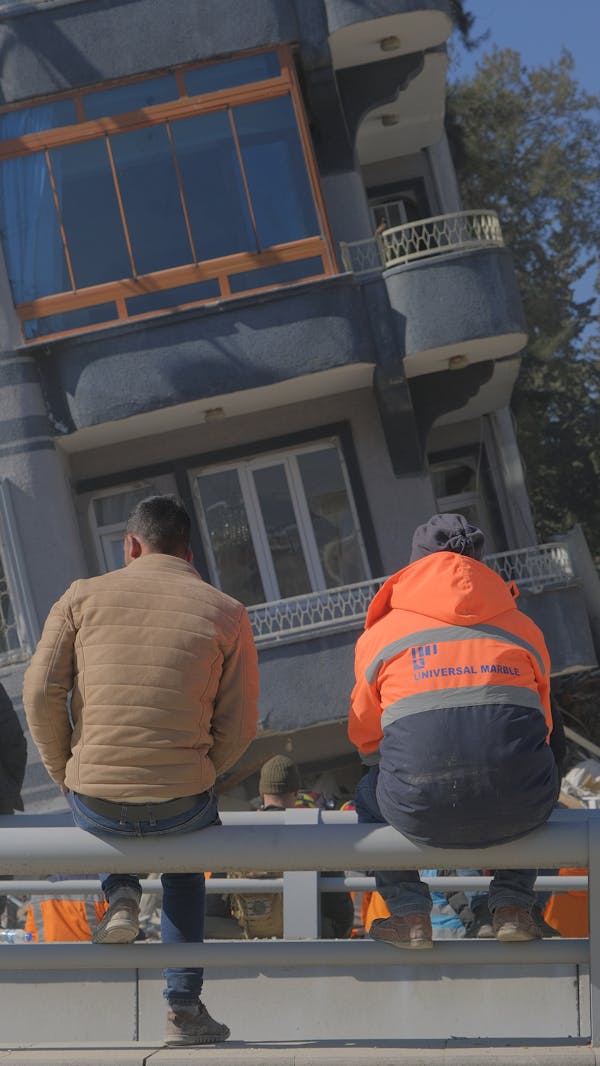
So, the question arises: How does Japan's earthquake-prone economy consistently rebound?
Abenomics and Economic Levers:
One could attribute a role to Abenomics, initiated when Japan faced a crisis nearly 13 years ago. Former Prime Minister Late Shinzo Abe intervened to contain the damage, envisioning a collaborative effort from multiple economic levers. Renewed Fiscal Policy, Monetary Policy, and Structural Reforms were set into motion, working cohesively to achieve one overarching goal—Growth. Lowering interest rates on debt facilitated improved access to credit for individuals and businesses, translating into higher spending, increased demand, and an improved economic landscape.
Preparedness and Investment:
However, beyond these broader economic strategies, Japan has learned to stay vigilant. The country has invested significantly in disaster prevention measures and early warning systems. Since 1980, the government has allocated an average of about $6.4 billion annually to disaster prevention measures, including earthquake insurance for businesses.
Moreover, substantial funds go into revival and support measures. The Japanese government, through tax measures, covers a substantial portion of the costs required to rebuild businesses in disaster-affected areas. Incentives, such as special treatment for lost assets through income and local tax deductions, play a crucial role in encouraging businesses to reinvest in these regions.
Long-Term Business Sustainability:
Japan's business resilience extends beyond immediate recovery—it's about longevity. More than 52,000 companies in Japan have surpassed a century in operation, often referred to as "shinise" or old shops. These enduring businesses have survived not only modern-day disaster preparedness but have thrived for centuries.
The secret lies in the fact that many of these long-surviving businesses prioritize more than just generating profits. Take Ichiwa, a small mochi (snack) shop founded in the year 1000, for instance. It continues to serve a single item on its menu—toasted mochi—to visitors of the shrine next to which it operates. By prioritizing long-term sustainability over short-term profits, these businesses have weathered the test of time.
Community Focus and Rebuilding:
Japanese businesses also tend to invest in rebuilding the community during turbulent times, prioritizing community welfare over minimizing losses. For example, when the 2011 disaster struck, convenience store chain Lawson delivered nearly 200,000 meals to victims instead of merely shutting down. This act of community support left a lasting impression, and when the chain reopened its store in a disaster-affected area just 11 days later, customers flocked to boost its business.
This commitment to community welfare during crises is not unique to Lawson; other popular companies like Yakult and Uniqlo have similarly prioritized aiding their communities over short-term financial considerations.
In essence, Japan's businesses are not merely survivors; they are entities with an enduring legacy. This resilience, built on a foundation of economic strategies, disaster preparedness, and a commitment to long-term sustainability and community well-being, underscores why Japan consistently bounces back, even in the face of recurrent disasters.
Japan resilience
Abenomics
Earthquake-prone economy
Disaster preparedness
Economic levers
Structural reforms
Fiscal policy
Monetary policy
Long-term sustainability
Business longevity
Shinise (old shops)
Ichiwa mochi shop
Community focus
Community rebuilding
Japanese economy


Comments
Post a Comment